Meryn Trant
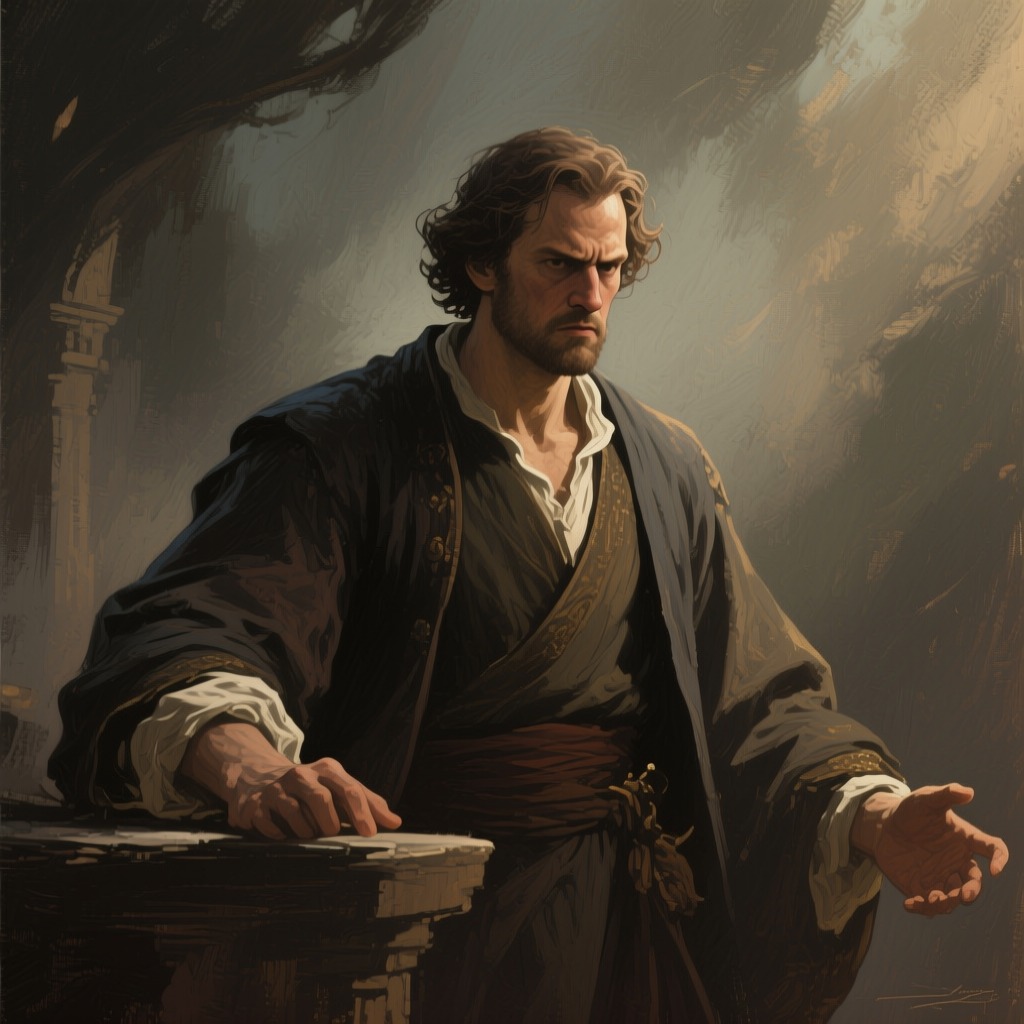
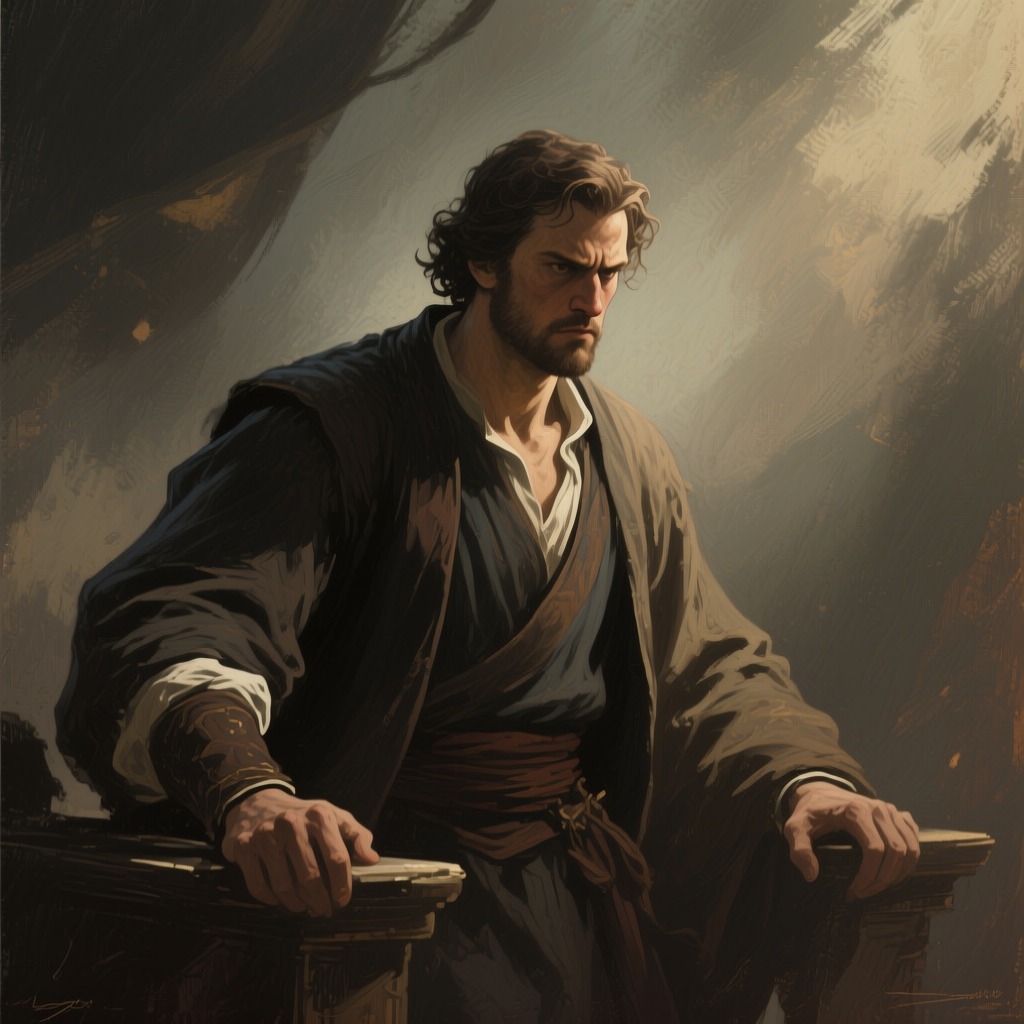
Ser Meryn Trant is a knight of the Kingsguard, the seven sworn brothers in white cloaks who protect the Iron Throne. He is an ugly man with a flat nose, baggy jowls, grey hair, and a dour, expressionless face. Unlike the storied knights of legend, Trant is defined not by valor or honor but by his mechanical obedience to the Lannisters, particularly Queen Cersei and her son Joffrey. He is one of the queen’s creatures to the bone, as Varys the Spider describes him, and his actions throughout the narrative consistently demonstrate a willingness to carry out cruelty without hesitation or personal feeling.
Role in the Kingsguard and the Lannister Regime
Trant is among the Kingsguard knights who accompany King Robert Baratheon north to Winterfell. During the royal visit, he is present in the throne room when Eddard Stark sentences the Night’s Watch deserter to death, standing as part of the king’s retinue. Later, after Robert’s death and the coup that installs Joffrey on the Iron Throne, Trant becomes a key enforcer of Lannister authority. When Eddard Stark confronts the queen in the godswood and later attempts to assert his regency, Trant is among the white-cloaked knights who surround the throne, ready to defend the new king. He is present in the throne room when Janos Slynt’s gold cloaks betray Stark, and he does not intervene as Stark’s men are slaughtered.
Violence Against the Helpless
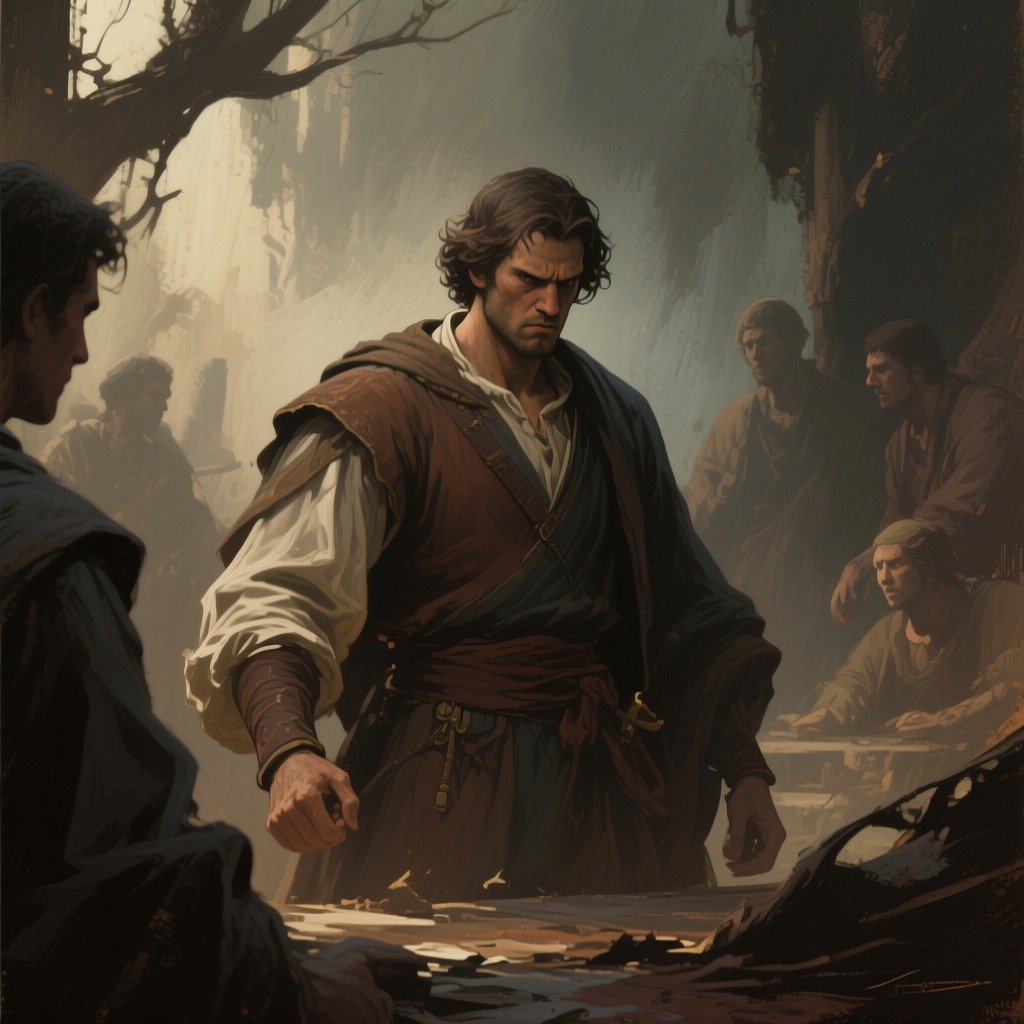
Trant’s most defining acts are directed at those who cannot defend themselves. When Arya Stark is hiding in the Small Hall after her father’s arrest, Trant leads five Lannister guardsmen to capture her. He commands his men to kill Syrio Forel, the Braavosi dancing master who protects her, and when Forel fights back with a wooden sword, Trant himself cuts the stick in two and presumably kills him. Arya escapes only because Forel sacrifices himself to buy her time.
Later, Trant is ordered by King Joffrey to strike Sansa Stark. When Sansa begs for mercy for her father and then refuses to obey Joffrey’s command to attend court, Joffrey says, “My mother tells me that it isn’t fitting that a king should strike his wife. Ser Meryn.” Trant immediately backhands Sansa across the ear with a gloved fist, knocking her to the ground. When she continues to resist, he hits her twice more, left to right and right to left, splitting her lip and drawing blood. He shows no emotion, no hesitation, and no personal malice—he simply does as he is told. Sansa later reflects that he does not hate her; he feels nothing for her at all. She is only a thing to him.
The Hound’s Judgment
Sandor Clegane, the Hound, openly mocks Trant’s lack of true knighthood. When Trant objects to the Hound joining the Kingsguard without taking knightly vows, the Hound retorts, “Until now,” and Trant falls silent. The Hound’s contempt underscores Trant’s status as a hollow figure in white armor, a man who wears the cloak but embodies none of its ideals.
Narrative Significance
Ser Meryn Trant functions as a symbol of the Kingsguard’s corruption under Lannister rule. He is the antithesis of the legendary knights of song—Ser Arthur Dayne, Barristan the Bold—whose honor defined the order. Trant’s violence against children, his unquestioning service to tyranny, and his utter lack of interiority mark him as a flat, functional figure: the obedient instrument of power. His presence in the story reinforces the theme that institutions, even the most sacred, can be hollowed out by those who serve them without conscience.